Affordable dental implants in Newport Beach, CA, are usually found by focusing on long-term value, not just the lowest advertised fee. A realistic estimate should include the implant, abutment, crown, imaging, anesthesia, and any needed bone or gum treatment, while insurance, financing, and phased care may help make the total cost easier to manage.
If you're weighing tooth replacement options or managing missing teeth, dental implants can provide a long-term, natural-feeling solution that preserves bone and function. At Simply Veneers in Newport Beach, CA, we emphasize planning cost-effective implant care that balances durability, appearance, and predictable follow-up to help you regain chewing comfort and confidence.
A dental implant replaces the root of a missing tooth with a small post, usually made of titanium. After the area heals, an abutment connects the implant to a custom crown, bridge, or denture.
Compared with removable options, implants often feel more stable and function more like natural teeth. They can also help preserve the jawbone in the area of tooth loss, but they still require surgery, healing time, and ongoing maintenance.
When comparing quotes, ask what is included. A complete plan may involve the exam, 3D imaging, extraction, bone grafting, implant placement, abutment, temporary tooth, final restoration, and follow-up visits.
A low starting price may cover only one part of treatment, so it is important to request a written, itemized estimate.
The right tooth replacement depends on how many teeth are missing, where they are located, your oral health, your budget, and what you want the result to feel like. Every option has tradeoffs, and none is completely maintenance-free.
|
Option |
Main Benefits |
Important Limits |
Typical Longevity Considerations |
|---|---|---|---|
|
Single implant and crown |
Does not require shaping adjacent teeth; fixed in place; helps maintain bone |
Surgery and healing required; grafting may add cost and time |
The implant may last many years or decades, while the crown may need replacement sooner |
|
Traditional dental bridge |
Fixed restoration; often completed faster than an implant |
Adjacent teeth usually must be reshaped; does not preserve bone beneath the missing tooth |
May last many years but can need replacement because of decay, wear, or support-tooth problems |
|
Removable partial denture |
Usually lower initial cost; replaces several teeth |
Can move, trap food, or feel bulky; requires daily removal and cleaning |
Often needs adjustment, relining, or replacement as the mouth changes |
|
Full denture |
Lower-cost way to replace a complete arch |
Less stable than fixed teeth; chewing efficiency may be reduced; bone loss continues |
Fit commonly changes over time, requiring relining or replacement |
|
Implant-supported denture or bridge |
Better stability and chewing function than a conventional denture |
Higher initial cost; surgery and multiple appointments may be necessary |
Components can wear or need repair even when implants remain healthy |
For one missing tooth, an implant often helps protect neighboring teeth because they do not need to be reduced for a bridge. A bridge may still make sense if the adjacent teeth already need crowns or if surgery is not the best choice.
In some cases, implants are planned as part of a broader smile makeover when both function and appearance need attention over time.
Implant treatment is not a one-price procedure. The cost depends on the number of implants, the type of final restoration, bone volume, gum health, extractions, sedation, lab materials, and bite complexity.
Some patients need bone grafting because the jaw has narrowed after a tooth has been missing for a while. Others may qualify for a simpler plan, but only an exam and proper imaging can show what is safe and predictable.
Insurance may help with parts of care such as the crown, extraction, or imaging, even if it does not fully cover the implant itself. HSA or FSA funds, monthly financing, and phased treatment can also reduce the upfront burden, though financing terms should be reviewed carefully.
When comparing offices, ask about the clinician's experience, the implant system being used, restoration materials, warranty terms, and who handles complications if they arise. True value includes planning, quality components, and dependable follow-up care, not just the surgical fee.
Treatment starts with a review of your dental and medical history, an exam, and imaging. This helps the dentist evaluate bone levels, nearby teeth, nerves, and sinuses before recommending a plan.
The treatment plan should explain your options, expected stages, fees, and any factors that could change the timeline or cost. That clarity matters when you are comparing implants with bridges or dentures.
During implant placement, the area is numbed with local anesthetic. If appropriate, sedation may also be available.
Most patients describe pressure or vibration rather than sharp pain during the procedure. Afterward, it is normal to have temporary soreness, swelling, bruising, or minor bleeding for a short time.
The implant usually heals for several months while the bone bonds to its surface, a process called osseointegration. In some cases, a temporary tooth is placed for appearance, but it may not be meant for full chewing.
Once healing is complete, impressions or digital scans are used to make the final crown, bridge, or denture. Long-term success depends on daily cleaning, routine exams, and professional maintenance because implants can still develop inflammation and bone loss around them.
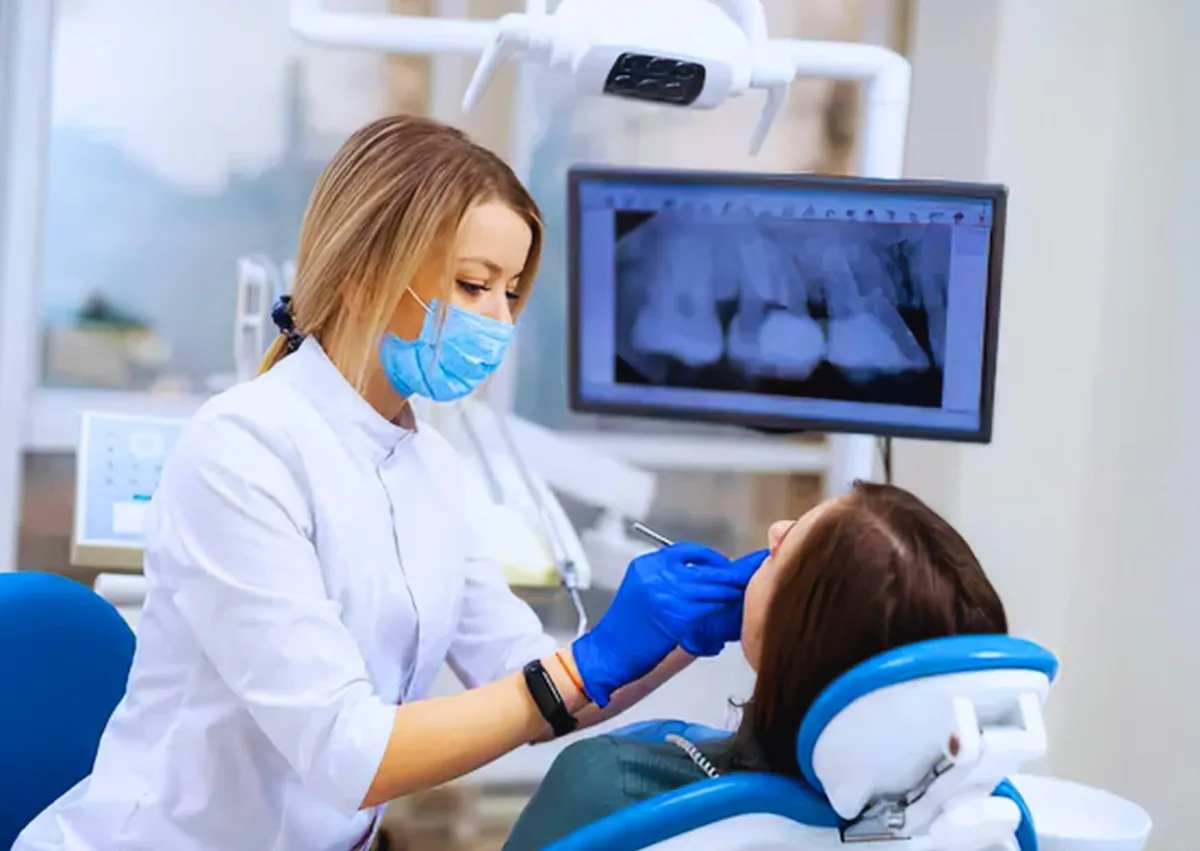
Many adults with one or more missing teeth may be candidates for implants. Good gum health, enough bone or a grafting option, and the ability to heal well are usually more important than age alone.
Some health and lifestyle factors can complicate treatment. Uncontrolled diabetes, active gum disease, heavy smoking or nicotine use, immune suppression, certain medications, prior radiation to the jaws, and severe grinding may increase risk or change the plan.
These issues do not always rule out implants, but they do require an honest discussion about safety, healing, and long-term maintenance. If gum contour affects the final appearance, related procedures such as gum reshaping may also be part of the conversation.
A consultation makes sense soon after tooth loss, when a tooth is considered nonrestorable, or when a bridge or denture is failing or uncomfortable. Earlier evaluation can sometimes preserve more bone and give you more treatment choices.
If there is active infection or untreated gum disease, those problems usually need attention before implant placement. A focused consultation can clarify candidacy, compare alternatives, and outline a step-by-step plan that fits both clinical needs and budget.
Seek prompt dental care if you have worsening facial swelling, fever, pus, uncontrolled bleeding, trouble swallowing or breathing, or severe pain after treatment.
For a clear, itemized implant plan and cost estimate, arrange a focused implant consultation. Call Simply Veneers for dental implants in Newport Beach, CA at (949) 777-1000 or use online booking to schedule your consultation.
There is no single reliable price because the total depends on imaging, surgery, implant components, the crown, and whether extraction or grafting is needed. Ask for a written estimate that shows both included services and possible added costs.
A lower fee does not automatically mean lower quality, especially if insurance, financing, or a simpler case reduces the cost. Safety depends on proper diagnosis, sterile technique, qualified care, reliable materials, and access to follow-up.
Some plans cover part of implant treatment, while others cover only related procedures or offer no implant benefit. Check annual maximums, waiting periods, exclusions, missing-tooth clauses, and whether preauthorization is required.
A straightforward case may take several months from placement to the final tooth. Extractions, bone grafting, or more complex full-arch treatment can extend the timeline.
A well-maintained implant may function for many years or even decades, but no provider can promise lifetime success. Crowns, bridge materials, denture attachments, and screws may wear out or need replacement before the implant itself.




