If you are asking how many veneers you need, the honest answer is that it depends on how many teeth show when you smile and what you want to change. Some patients get veneers on 2 teeth, while others choose 6, 8, or 10 for a more even result across the visible smile.
For more on how veneers work and what they can change, see our veneers. If you’re still deciding whether veneers are right for you, read our should I get veneers.
The right number is not based on a fixed rule. A cosmetic dentist usually looks at smile width, tooth color, tooth shape, alignment, and whether untreated teeth would make the veneered teeth stand out too much.
At Simply Veneers in Newport Beach, our veneers studio provides personalized assessments to help patients understand how many veneers might suit their smile.
A dentist usually starts with the teeth that show in a natural smile, not just the teeth that bother you most. For many people, that means the upper front 6 to 10 teeth are the main focus.
A few details matter more than patients expect. If only one or two teeth are treated, the result may look excellent, but only if the neighboring teeth already match in color, size, and position.
Some smiles show only the front 4 to 6 upper teeth. Others show 8, 10, or more, especially in broad smiles or while speaking.
That is one reason veneer planning is so individual. A person with a wide smile may need more veneers for a balanced look than someone with a narrower smile.
If the goal is to fix one chipped tooth or close a small gap, fewer veneers may work well. If the goal is a brighter, fuller, more uniform smile, more teeth often need treatment so the change does not stop abruptly.
Cosmetic dentistry usually looks best when the smile changes evenly from one side to the other. If veneers are placed on one side but not on the matching teeth on the other side, the difference may be noticeable.
Color matters too. Shade matching with nearby teeth can be difficult when veneers are much brighter than the natural enamel, which is the outer protective layer of the tooth.
There is no perfect number for everyone, but certain patterns are common in cosmetic practice.
| Number of Veneers | What It Usually Addresses | Typical Considerations |
| 2 | A pair of front teeth with chips, wear, or shape differences | Works best when surrounding teeth already match well |
| 4 | The most visible front teeth | May help with small spacing or shape concerns in a narrower smile |
| 6 | Front smile zone from canine to canine | A common choice for balanced cosmetic improvement |
| 8 | Broader smile correction | Often chosen when more teeth show during smiling |
| 10 | Wide smile makeover across the upper visible teeth | May create a more seamless result in larger or brighter cosmetic changes |
For many patients, 6 to 8 veneers is the range where results start to look more naturally complete. That does not mean more is always better. It means the transition between treated and untreated teeth matters as much as the veneers themselves.
Fewer veneers can be the right choice when the issue is localized. This may include a chipped incisor, a small gap, mild unevenness, or one or two discolored teeth that do not respond well to whitening.
A conservative plan is often appealing because it preserves more natural tooth structure and lowers cost. It can also be easier to maintain if the untreated teeth already fit the smile well.
Still, fewer veneers are not automatically the most natural-looking option. If the treated teeth are noticeably brighter, wider, or more idealized than the rest of the smile, the contrast may draw attention.
More veneers may make sense when several visible teeth have similar cosmetic issues. Common examples include generalized wear, uneven edges, small teeth, old bonding that no longer matches, or multiple teeth with stains or shape differences.
This approach is also common when patients want a whiter smile than the natural neighboring teeth can realistically match. In those cases, treating a broader section of the smile often creates a smoother, more believable result.
If your smile shows many upper teeth, stopping treatment too early can leave a visible line between veneered and natural teeth. A seamless smile line is often why dentists recommend 8 or 10 instead of 4 or 6. If you are considering a wider cosmetic plan that combines several treatments, a smile makeover can help coordinate those choices.
Veneers are thin porcelain coverings bonded to the front surface of teeth to improve color, shape, and proportion. They are often a strong option when several cosmetic concerns need to be corrected at the same time.
If the main concern is tooth color, teeth whitening may be enough. This is especially true when tooth shape and alignment already look good.
Whitening does not change shape, repair chips, or close gaps. It also may not work well for certain deep stains, especially when discoloration comes from within the tooth rather than the surface.
Dental bonding uses tooth-colored resin to repair small chips, reshape edges, or close minor spaces. It is usually more conservative and less expensive upfront than veneers.
Bonding can work very well in the right case, but it may stain or chip faster over time than porcelain. For small changes, it is often worth discussing before committing to veneers. For a direct comparison of options, see our bonding vs. veneers.
Crowns cover the entire tooth, not just the front. They are generally used when a tooth has significant structural damage, a large filling, fracture risk, or a history of root canal treatment.
For purely cosmetic changes on otherwise healthy front teeth, veneers are often more conservative than crowns. A dentist should confirm which option fits the tooth condition, not just the appearance goal. If you want a detailed comparison, read our veneers vs. crowns.
A good veneer consultation should be specific. The dentist should evaluate your smile at rest, while speaking, and in a full smile because teeth can show differently in each situation.
Photos are often more useful than patients expect. They help compare tooth proportions, gum display, symmetry, and how far back the visible smile extends.
The number of veneers is not only a design decision. Bite forces, clenching, grinding, and tooth position can affect whether veneers are likely to hold up well.
If there is significant crowding, edge-to-edge bite contact, or active grinding, those issues may need to be addressed before cosmetic treatment. In some cases, orthodontic treatment such as clear aligners may reduce the number of veneers needed or improve the final result.
Many cosmetic dentists use a wax-up or mockup, which is a preview of the planned tooth shapes. This can help you see whether 4, 6, 8, or 10 veneers look balanced before the teeth are prepared. For a no-pressure preview of different veneer counts, ask about a smile tryout.
That step is valuable because patients often realize their smile is wider or narrower than they thought. It also makes the decision feel less abstract and more grounded in what actually shows in the mirror.
Veneer treatment usually happens in stages rather than all at once. The process often includes consultation, records and photos, smile design, tooth preparation if needed, temporary veneers, and final placement.
Preparation may involve removing a small amount of enamel so the veneers fit naturally. Some cases are very minimal, while others require more adjustment for shape, color, or alignment correction.
Temporary veneers can give a preview of length and contour. Patients often learn quickly whether the planned number of veneers feels right once they see the smile in daily life.
Most people tolerate the process well, but tooth sensitivity can happen, especially between preparation and final placement. If pain is significant, the bite feels off, or a temporary comes loose, contact the dental office promptly.
For a step-by-step overview, see our veneer process.
Porcelain veneers often last many years, but they are not permanent in the sense of never needing maintenance or replacement. Longevity depends on the bite, the amount of remaining enamel, oral hygiene, and habits such as clenching, nail biting, or chewing ice.
A well-planned case usually lasts longer than a rushed cosmetic fix. The number of veneers matters less than whether the plan respects the bite and creates a stable transition across the smile.
Regular dental visits remain important after treatment. Small issues such as edge wear, bonding changes, or gum inflammation are easier to manage early. For more on expected durability and maintenance, read how long veneers last.
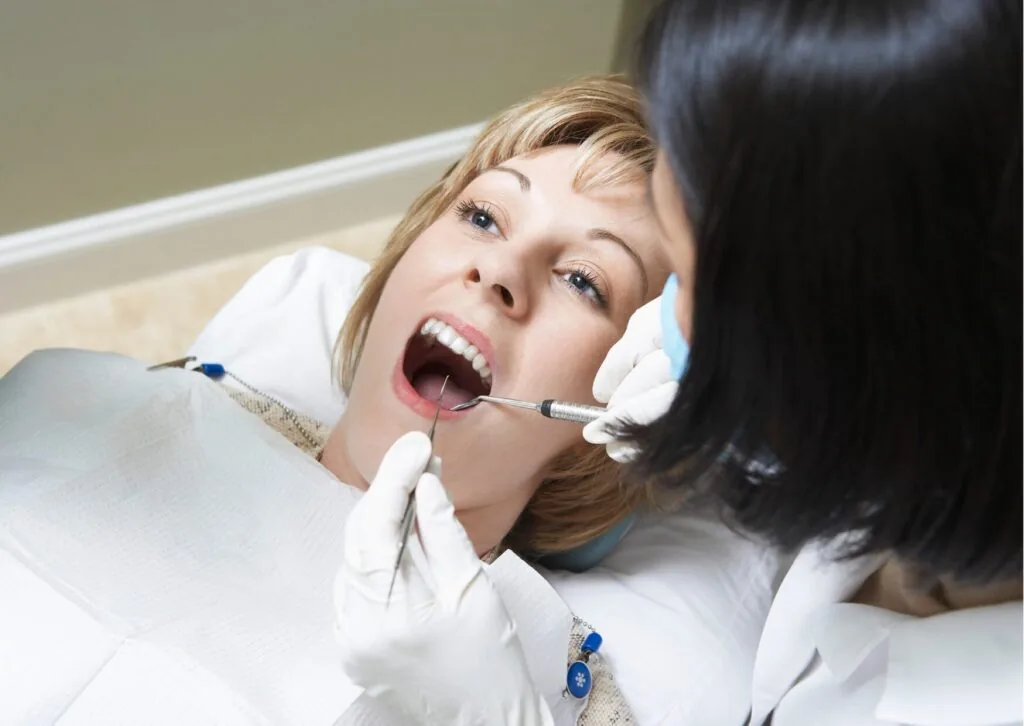
Good candidates usually have healthy gums, manageable bite forces, and cosmetic concerns involving color, shape, spacing, or mild alignment differences. Veneers are often most useful when several of those concerns are present at once.
They may not be the first step if there is untreated decay, active gum disease, major crowding, or heavy grinding that has not been addressed. A cosmetic plan should start with oral health and function, not just appearance.
If you are unsure whether you need 2 veneers or 10, that uncertainty is normal. A consultation is the right time to ask for more than one treatment scenario, especially if you want to compare a conservative option with a fuller smile design.
If a few visible teeth bother you every time you smile, it is reasonable to schedule a cosmetic dental consultation and ask to see exactly how different veneer counts would change the result.
Simply Veneers in Newport Beach offers veneer consultations for patients from the local area and nearby communities such as Huntington Beach and Costa Mesa; call (949) 777-1000 to schedule and discuss your options.
No. Some patients only need 2 or 4 veneers. The key question is whether the treated teeth will still blend naturally with the surrounding teeth in color, shape, and position.
For many patients, 6 veneers can cover the main visible upper front teeth from canine to canine. It may be enough if the smile is not very wide and the back neighboring teeth already match well.
A broader recommendation is often based on smile width and color transition. If more teeth show when you smile, treating only the center teeth may leave an obvious difference between veneered and natural teeth.
Yes, in many cases veneers are placed only on the upper teeth because they show more in the smile. Lower teeth may not need treatment unless they are highly visible or have cosmetic issues of their own.
Ask the dentist to show you more than one plan. A mockup, digital preview, or side-by-side comparison of different veneer counts can make the decision much clearer.




