A lot of whitening marketing oversimplifies the truth. Some products work, some barely make a difference, and some are the wrong first step because the real issue is not tooth color at all.
Dentists see the same pattern all the time. Someone buys strips, rinses, charcoal paste, LED kits, whitening pens, and still dislikes what they see in the mirror because the discoloration is coming from an old filling, enamel wear, a dead tooth, or tartar along the gumline. That is the part people are not told often enough: not every yellow or dark tooth is a whitening problem.
That matters because the mouth often gets treated like a cosmetic battlefield when it should be assessed like living tissue. Teeth can darken from coffee, tea, tobacco, aging, trauma, medications, enamel thinning, or internal changes within the tooth itself. Those causes do not respond the same way, and pretending they do is how people waste time, money, and sometimes irritate already sensitive teeth.
If there is one useful way to think about teeth whitening options, it is this: whitening works best on certain external stains and on the natural color of teeth, but it does not change crowns, veneers, fillings, or many deep intrinsic stains built into the tooth structure. Once that is clear, the choices become easier and far less frustrating.
Simply Veneers helps patients explore professional teeth whitening options based on their goals, enamel health, and existing dental work. For individuals considering cosmetic improvements, a professional evaluation can help clarify which treatments may provide the most natural and predictable results.
At Simply Veneers, we assess what is causing your discoloration before whitening begins. For in-office whitening, we apply a higher-strength gel to your teeth while protecting your gums, which typically produces visible results in a single visit. If you prefer a gradual approach, we create custom trays fitted to your teeth, which let the gel contact the surface more evenly than generic strips and reduce unnecessary gum exposure. The method we recommend depends on your stain type, sensitivity history, existing dental work, and timeline—which is why the evaluation matters as much as the whitening itself.
Whitening usually targets pigments within enamel and dentin. Enamel is the outer shell of the tooth, and dentin is the deeper layer underneath that naturally appears more yellow. Most peroxide-based whitening products work by breaking apart stain molecules so they reflect less color.
That process can be effective, but it has limits. Surface stains from coffee, tea, red wine, and tobacco often improve well, especially when the teeth are otherwise healthy. Mild age-related darkening may also respond. By contrast, discoloration from trauma, certain medications taken during tooth development, large restorations, or a tooth with nerve damage may improve very little or not at all.
Whitening also does not change the color of dental materials. A front tooth filling, crown, veneers, or bonding may stay the same shade while the surrounding tooth lightens, which can make the mismatch more noticeable. That is why a dental exam before whitening is often worth more than another product in a shopping cart.
If one tooth is much darker than the others, if the color changes suddenly, or if there is pain, swelling, or a bad taste, that needs evaluation. Those are not cosmetic details to ignore.
There is no single best choice for everyone. The right option depends on the type of stain, tooth sensitivity, existing dental work, budget, and how quickly a result is needed.
This is the fastest professional route. A dentist applies a higher-strength whitening gel while protecting the gums and monitoring the teeth. In many cases, it produces the most visible change in the shortest time, which is why people often choose it before weddings, job interviews, filming, or other fixed events.
It is not magic, and it is not automatically the best value for every mouth. Results vary based on the starting shade and the source of the stain. Teeth with heavy internal discoloration may still need a different cosmetic plan.
These use custom trays made to fit the teeth closely. That fit matters more than many people realize because it helps the gel contact the tooth surface more evenly and may reduce unnecessary gum exposure.
For many patients, this is the most balanced option. It is slower than in-office treatment but usually more controlled than random store-bought products. Custom whitening trays from a dentist can also be useful for touch-ups later, as long as the teeth and gums remain healthy.
These can work, especially for mild to moderate staining. They are widely available, less expensive upfront, and convenient, but the fit is generic, so whitening may be less even, especially around crowded or rotated teeth.
This is also where expectations often go off track. Some people get a decent improvement. Others get patchy results, gum irritation, or sensitivity and then assume whitening itself does not work, when the real issue was poor fit or the wrong stain type.
Whitening toothpaste usually does not bleach the tooth the way peroxide products do. It mainly helps remove superficial stains through abrasives or polishing agents.
That means it may help maintain brightness, but it usually will not create a dramatic shade change on its own. Some formulas are harsher than patients expect, especially if used aggressively on already worn enamel.
This is where marketing often gets ahead of reality. Many LED kits rely more on the gel than the light, and some lights add little meaningful benefit. Charcoal products are especially overmarketed and can be abrasive.
If a product promises dramatic whitening with no sensitivity, no dental evaluation, and no limitations, skepticism is healthy. Teeth are not sneakers. Scrubbing harder is not a treatment plan.
A dentist does not just look at color and pick a product. The decision usually starts with the cause of discoloration, the condition of the enamel, the presence of cavities, gum inflammation, recession, exposed root surfaces, and whether there are crowns or fillings in visible areas.
That evaluation protects patients from chasing the wrong fix. A dental cleaning before whitening may be the right first step if plaque, tartar, or surface stain is masking the true tooth shade. If there is untreated decay or cracked enamel, whitening may need to wait because irritated teeth tend to become more symptomatic.
Sensitivity history matters too. Teeth that already react to cold air, ice water, or sweets may still be whitened in some cases, but the approach often needs to be more cautious. Existing dental work matters just as much. If several front teeth have restorations, whitening may improve the natural teeth while leaving artificial materials unchanged, which changes the cosmetic plan completely.
Whitening sensitivity is common, and pretending otherwise helps no one. It often happens because peroxide can temporarily increase fluid movement within the tooth, which can irritate the nerve and create short, sharp responses to cold or air.
For many people, that sensitivity is temporary. But temporary does not mean trivial. Patients with thin enamel, gum recession, cracked teeth, untreated cavities, or a history of tooth sensitivity may notice stronger symptoms.
What should raise concern is pain that feels severe, lingers, wakes someone from sleep, or is focused in one tooth that also looks darker or feels different when biting. Severe tooth pain after whitening is not something to self-diagnose away. That pattern can point to a problem that whitening is merely exposed rather than caused.
If symptoms are intense, worsening, or unclear, stop the whitening product and arrange a dental evaluation. General education is not a substitute for an exam, especially when the pain pattern is unusual.
Some mouths need diagnosis, not bleach. If gums are swollen, bleed easily, or are pulling away from the teeth, the first issue may be periodontal disease, which is gum and bone disease around the teeth. Whitening does not fix that.
The same goes for a tooth that has turned gray, brown, or pink after trauma. That kind of color change may mean internal damage or loss of vitality in the tooth. A dentist may need X-rays and vitality testing before any cosmetic decision makes sense.
There is also the problem of enamel loss. Teeth can look more yellow simply because the enamel has thinned and more dentin is showing through. In that situation, repeated whitening may not create the result a patient wants and may increase discomfort. Sometimes the better conversation is about bonding, veneers, or simply protecting the remaining tooth structure instead of trying to force a whiter shade out of a stressed tooth. If you're considering veneers, a focused consultation can clarify whether conservative bonding or a different cosmetic route is safer.
If the discoloration is patchy white, brown, or chalky, especially after braces or in teeth affected during development, the treatment plan may be more nuanced than standard whitening. Not every stain should be treated the same way. In those cases, cosmetic dentistry options may be the true solution, not more peroxide. For a practical comparison of options like bonding or veneers, our guide can help you understand the trade-offs.
If you are thinking beyond whitening and want a combined plan, a smile makeover can pair whitening with bonding, veneers, or minor orthodontics to create a more balanced, reliable result. Learn more about these cosmetic treatments in our blog.
| Option | Best For | Speed | Supervision | Main Limits |
| In-office whitening | Faster visible change, event-driven timelines | Fast | High | More expensive, sensitivity can occur, not ideal for every stain |
| Dentist-supervised custom trays | Gradual, controlled whitening and future touch-ups | Moderate | High | Requires dental visit and patient consistency |
| Over-the-counter strips or gels | Mild to moderate surface staining on a budget | Moderate | Low | Generic fit, uneven results, irritation risk |
| Whitening toothpaste | Maintaining brightness and removing superficial stain | Slow | Low | Limited whitening power, may be abrasive in some formulas |
| Trend products like charcoal or some LED kits | Mostly marketing-driven demand | Variable | Low | Benefits are often overstated and may irritate or abrade teeth |
The honest answer is that professional options usually win on predictability. Store products may still be reasonable for the right person, but they are not interchangeable with dentist-guided care.
That is the part many patients find frustrating, and understandably so. The market sells the fantasy that all whitening is basically the same if the packaging looks sleek enough. It is not. The biology of the tooth still decides what is possible.
Whitening does not lock in a permanent shade. Teeth continue to face pigments from food, drinks, tobacco, and normal aging. How long results last depends on the original stain pattern, the whitening method used, oral hygiene, enamel condition, and daily habits.
Coffee on a rushed commute, strong tea, red wine, smoking, and frequent dark sauces all matter in real life. So does dry mouth, which can make staining and plaque buildup worse. Some people keep a brighter result for a long time. Others notice fading much sooner.
That does not mean whitening failed. It means maintenance is part of the reality. The safest maintenance plan depends on the person, the product, and the condition of the teeth and gums, so it is best discussed with a dentist rather than improvised from social media advice.
A good whitening consultation should feel specific, not scripted. Ask what is causing the discoloration, whether a cleaning should happen first, whether any fillings or crowns will mismatch afterward, and how likely sensitivity is in your case.
It is also worth asking whether the shade goal is realistic. Some teeth can be improved noticeably without ever becoming paper-white, and chasing an artificial color can push people toward repeated treatment that the teeth may not tolerate well.
If one tooth is darker than the others, ask directly whether that suggests prior trauma or nerve changes. If the answer is uncertain, further evaluation may be more important than cosmetic treatment. Realistic whitening expectations protect patients better than glossy before-and-after photos ever will.
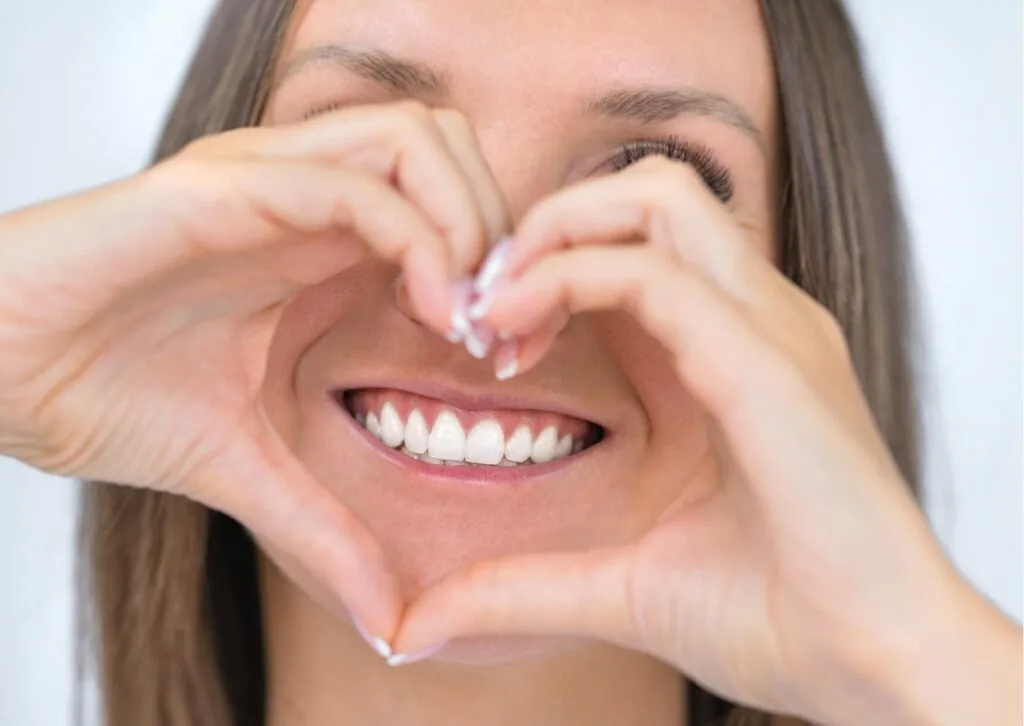
Choosing the right teeth whitening treatment starts with understanding what is actually causing the discoloration. Whether you are dealing with surface stains, sensitivity concerns, or cosmetic goals that go beyond whitening alone, Simply Veneers provides personalized guidance and professional cosmetic dental care tailored to your smile.
Call Simply Veneers today at (949) 229-6806 to schedule your consultation in Newport Beach, CA, and learn which teeth whitening options may deliver the safest and most natural-looking results for your teeth.
In many cases, dentist-supervised whitening gives the most predictable result because the stain type, tooth condition, and existing dental work are evaluated first. The best option still depends on the cause of discoloration and how sensitive the teeth are.
Often, yes, especially when teeth are crowded, restorations are visible, or sensitivity is a concern. Strips can help some patients, but they are less customized and may whiten unevenly.
Used appropriately, whitening is generally considered safe for many patients, but it can cause temporary sensitivity and gum irritation. It may not be appropriate when there is untreated decay, cracked teeth, significant recession, or unclear discoloration.
A single dark tooth may be related to prior trauma, internal tooth changes, an old restoration, or other dental problems. That pattern deserves a dental evaluation before any whitening is attempted.
They usually help remove surface stain more than they change the internal color of the tooth. They can be useful for maintenance, but they rarely create the same result as peroxide-based whitening.
Seek prompt dental care if discoloration comes with swelling, fever, severe pain, a bad taste, pus, recent trauma, or one tooth suddenly turning dark. Those signs may point to infection or internal tooth damage rather than a simple cosmetic issue.





